
Is Black Mold Dangerous? What Utah's Dry Climate Changes
Dry air outside does nothing for a cavity that stayed wet. Get your report first, then call us to remediate.
The air outside Salt Lake City homes stays dry through most of the year. That dryness is real, and it is also why plenty of people here assume mold can never get started inside their walls.
We handle mold remediation in Salt Lake City, and we keep finding it in dry houses anyway. A dry sky does nothing for a wall that is already holding water inside it. The only humidity reading that matters on your job is the one inside that cavity.
People ask us whether black mold is dangerous. We remove mold and we are not doctors, so the health half of that question belongs to a doctor and to an independent report. What we can speak to plainly is what mold does to the materials your house is built from.
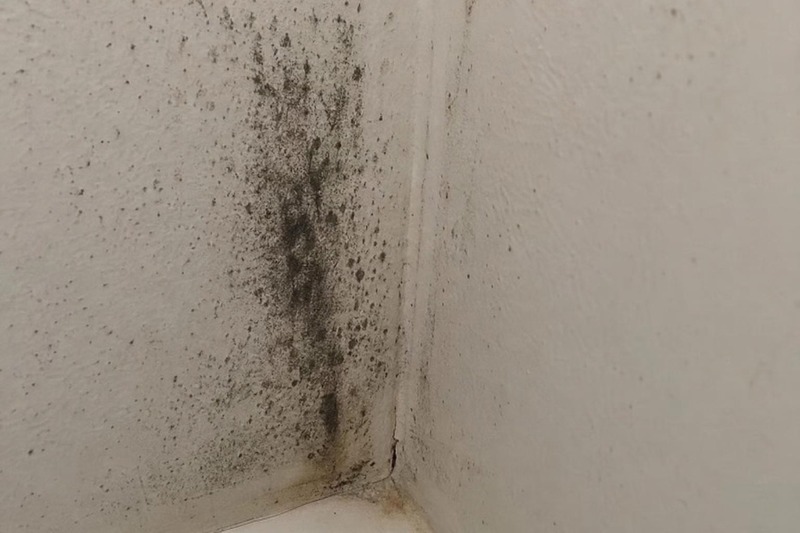
Trapped water feeds mold no matter how dry the sky is
Mold needs three things together: water, something to eat, and a stretch of time. A wet wall cavity hands it every one of them, and Utah's dry climate takes away none.
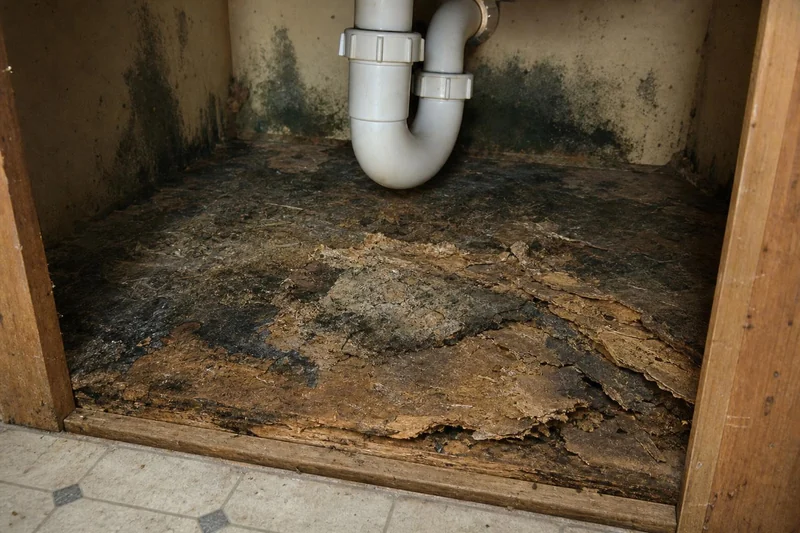
Mold eats the paper on your drywall, the lumber in the framing and the facing on the insulation. Water turns that material soft, then dark, then crumbly enough to fail. The low humidity in your living room never reaches the back of that wall.
That is the honest answer to Utah's humidity question. The outdoor average describes your skin, your furniture and your houseplants. It describes nothing at all about a wall cavity that has been soaked since a supply line let go.
So the dry climate really does change something: it changes where mold turns up rather than whether it turns up. Around here it grows in closed pockets fed by a leak, instead of spreading over a bathroom ceiling fed by muggy air.
Forty-eight hours is the window you actually get
The EPA's mold guidance is to dry wet material within one to two days of it getting wet. After that window shuts, growth can begin on damp drywall, insulation and framing. The clock starts when the water arrives, not when somebody notices it.
One to two days is not much of a head start. If the pipe let go while you were out of town, that window closed before you got home. We still get the wet material out, but the job becomes considerably bigger.
That is also why a slow leak usually does more damage than a burst pipe. A burst pipe soaks a room loudly and you deal with it inside the hour. A pinhole leak behind a kitchen cabinet can run quietly for weeks before anyone spots a stain.
By the time you can smell anything, the material has usually been wet for a long while. The musty smell is a late signal, and so is the dark patch bleeding through fresh paint. Both of them mean the water got there well ahead of you.
Behind the baseboard is where we keep finding it
The mold you can see is rarely the whole job. Salt Lake City's older housing stock hides the rest of it well, because most homes inside the city limits went up before 1980. Old framing soaks water up and then holds onto it.
We pull a wall open and find growth on the back of a baseboard while the painted side still looks clean. The stud sitting behind it carries the same dark stain, and nobody standing in the room noticed anything unusual.
The next place we go straight to is a swamp cooler duct in a crawlspace. An evaporative cooler adds moisture to your house on purpose, because that is how it cools. When a pan overflows or a duct sweats, that water lands where nobody ever looks.
Basements give us a third location to check, because water that leaks in low sits behind finished walls where the air never moves. A finished basement can hold a wet stud bay for months and still look dry from the room side.
Flood history tells us where to begin looking. FEMA counts 58 recorded flood insurance claims in 84116, which is more than any other ZIP inside Salt Lake City. A basement that has taken water once tends to take it again.
Testing belongs to your own assessor, and that split protects you
We do not perform mold testing, inspection, or assessment on any job. You hire an independent mold assessor first, and that assessor writes the report saying where the mold sits and how far it runs. We then remediate to exactly what the report lists.
Here is why that split matters to you. Whoever decides how much drywall has to come out is the same side you pay to remove it. That judgment should not sit with us alone.
An independent report also hands you something concrete to hold us to. It names the affected material, the area involved and the method required. We follow it, and your own assessor is the party who checks the finished work.
We call ourselves a Mold Remediation Contractor and we stop there, because we do not claim a mold license or any mold certification. Your report is the document that carries real authority on your job.
If you want a public source instead of ours, the Salt Lake County Health Department is the county's public health authority on indoor mold questions. Once your report is in hand, call us at (801) 903-2904 and we will work straight from it.
Bleach fixes the color and leaves the wet wall behind
Bleach lifts the stain off a surface and leaves the water sitting inside the material. Mold that grew inside drywall or framing was never sitting on top of the paint. Wipe the visible layer away and what is under it stays wet, stays food, and keeps growing.
Taking the material out is the only thing that genuinely ends it. We seal the work area off from the rest of the house first. Then we run a HEPA filter, which is a fine air filter that captures spores before they travel.
Next we cut out the affected material your report lists, bag it, and carry it out. We treat whatever stays behind with an antimicrobial, a coating that discourages regrowth. Last we deal with the water source itself, because mold that returns has returned to water.
We also check what the water did to the rest of the room. We pull wet trim, wet subfloor and wet insulation under that same report. If we leave one wet piece behind, that is how a second job starts.
What mold does to a house is the part we can describe with confidence. It eats the paper facing on drywall and chews into the surface of framing lumber. Left alone inside a wet cavity, it turns sound material into material someone has to replace.
The health side is a separate question for a separate expert. If anyone at home feels unwell, that is a conversation for a doctor. Our half of the problem is getting the wet material out of the building.
Dry air outside your walls does nothing about water that is already sitting inside them. Get the independent report first, then bring it over to us. We will scope the removal from what your assessor actually wrote down.
We do black mold removal and mold remediation for homes across Salt Lake City, working to your assessor's protocol. Because the water nearly always arrived first, it is worth seeing how we handle water damage restoration in this valley as well. Call (801) 903-2904 any hour.
Reports Answer Most of These Questions
That call belongs to your doctor and to the independent assessor who writes your report. We remove mold for a living, so we are not the right people to answer a medical question. What we do say is to keep people out of the affected room until we take the material out.
Stop the water first, then leave the growth alone so you do not spread the spores around. Hire an independent mold assessor to write a report on where it sits and how far it runs. Then call us at (801) 903-2904 and we remediate to that report.
Nothing removes it permanently while the material under it stays wet. Remove the affected material and repair the water source that soaked it in the first place. That combination is what stops it coming back, and a spray on a wet wall buys you a few weeks at best.
Removal means taking the moldy material out of the house. Remediation covers the whole controlled job: sealing the area, filtering the air, cutting out material, and treating whatever stays. We do remediation in Salt Lake City, and we work from your assessor's report.
A Wet Cavity Does Not Dry On Its Own
Dial (801) 903-2904 once your report is in hand. We answer any hour and we remediate to what it says.