
What Utah Homeowners Insurance Covers After Water Damage
What your policy pays turns on how the water arrived. Call while the damage is still fresh and we will start.
Nobody here is an insurer, an adjuster, or a broker. We will not tell you what your own policy pays. Only your carrier can answer that.
Salt Lake City homeowners hire us for water damage restoration, and they ask us the same thing on almost every job. Will the claim hold up? What we can do is explain how these policies usually work.
So read what follows as plain education, never as a promise about your loss. Where a rule comes out of a federal regulation, we name the regulation.
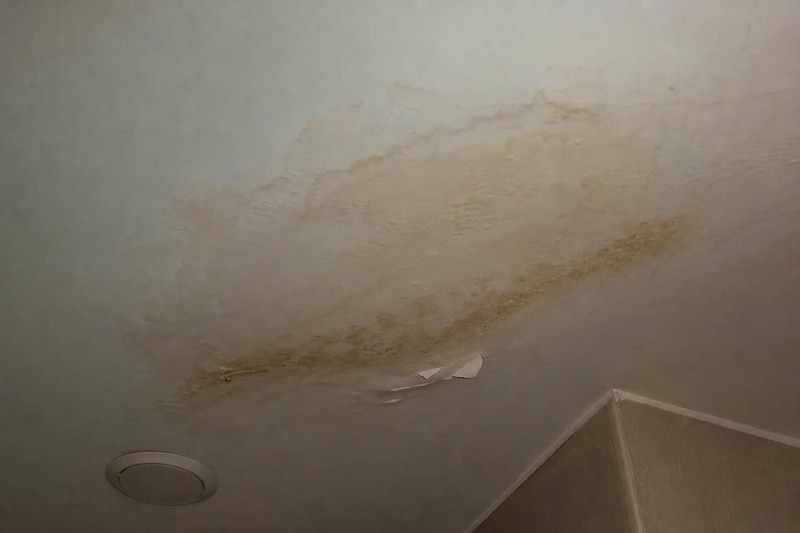
Sudden Water Damage Is Usually Covered, A Slow Leak Usually Is Not
Most home policies cover water damage that arrives suddenly and by accident. A burst pipe, an overflowing toilet, a failed washer hose. Insurers ask how the water got in first, and they ask what it ruined second.
Carriers treat a slow leak as a different animal. Most policies exclude gradual leaks and seepage, and they exclude the mold that grows out of one. Insurers file that under maintenance, and maintenance belongs to the homeowner.
A burst pipe sits on the covered side of that line. Burst pipe insurance is not a product you buy on its own. It is your ordinary home policy doing the job it was written to do.
Two homes can show the same buckled floor and the same brown ceiling. One collects and one does not. The way the water arrived decides that, not the mess it left behind.
Deductible And Policy Limits Decide What A Water Damage Claim Pays
Two numbers stand between the damage and the payment, and both sit in your policy. Your deductible is the share you carry yourself before the carrier pays anything. Your policy limit is the ceiling that carrier will pay up to on a covered claim.
Pull your policy declarations page before you call anyone. It lists the deductible and the limits on one sheet. The building, your belongings, and the cost of living elsewhere each carry a separate limit.
Carriers also settle on one of two bases. On a replacement cost policy the carrier prices a new equivalent of what the water ruined. On an actual cash value policy the carrier subtracts age and wear first. That one choice moves a water damage insurance claim more than any single item on the list.
The National Association of Insurance Commissioners keeps a consumer guide to claims and coverage types. It is the standards body that state regulators work through, so its wording is a fair map of what most policies do.
Nobody dries a floor by reading a declarations page, so make the call before you go hunting for your paperwork. Call us at (801) 903-2904 any hour and we will start getting the water off your floor. Everything we photograph on the way in is yours to hand your adjuster.
Denied Water Damage Claims Usually Trace Back To A Slow Leak
Most denials stop surprising people once they read the exclusions. Carriers refuse water damage that built up over weeks or months, because most policies leave gradual leaks and seepage out. The mold that follows a slow leak normally sits outside the policy too.
Flood is the other common refusal, and care has nothing to do with it. Home policies do not cover floods at all, however fast the water rose.
We are not adjusters and we do not characterize your loss for you. We write down what we find, we date what we photograph, and we hand the file over. Your carrier decides the rest.
Utah runs its own regulator for exactly these questions. The Utah Insurance Department publishes claim help for policyholders, including guidance for people hit by flood and wildfire losses.
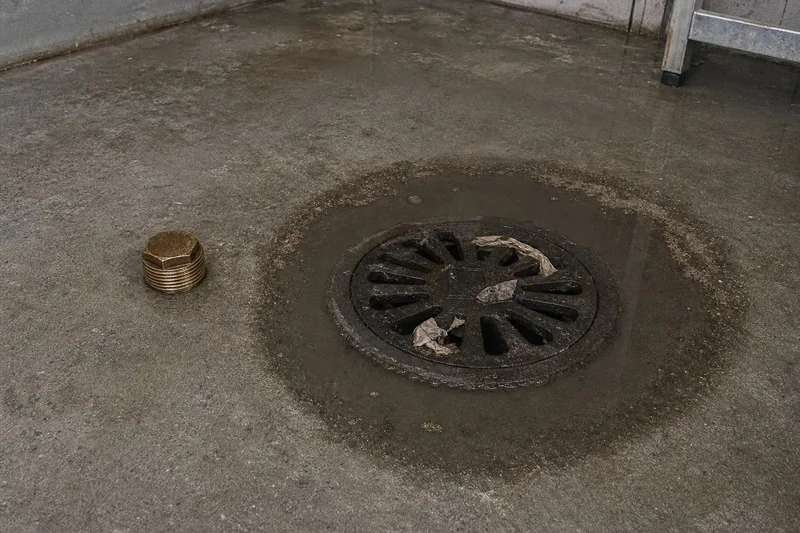
Flood Insurance Is A Separate Policy With Its Own Rules
A home policy does not carry flood. Anyone who wants flood coverage has to buy a second policy for it. The National Flood Insurance Program writes that policy, and participating insurers or NFIP Direct deliver it. Salt Lake City carries mapped flood zones inside its own city limits, including Zone AE and its floodway.
The two policy forms are not versions of each other. They define a flood differently and they begin on different days. They also treat a basement differently and set different paperwork deadlines.
Federal regulation carries every one of those gaps. That is why the grid below can name the section behind each flood row. Read the right column as what most standard home policies do, never as a statement about yours.
| NFIP Standard Flood Insurance Policy | Standard home policy, typically |
|---|---|
| Flood means water covering two or more acres of normally dry land, or reaching two or more properties, from overflow, rapid runoff or mudflow. (44 CFR Part 61, Appendix A(1)) | The policy excludes flood outright. The policy typically pays for water that escapes suddenly and accidentally inside the home. |
| Coverage begins at 12:01 a.m. on the 30th day after the application and the premium, with narrow exceptions for loan closings and revised flood maps. (44 CFR 61.11) | Coverage typically begins on the effective date printed on the policy, with no standing waiting period. |
| The policy covers building items in a basement only on a set list: the furnace, the water heater, central air conditioning, a sump pump, electrical boxes, fuel and well tanks, attached stairways, and unfinished untaped drywall. Your belongings down there fall under a separate and much shorter list. (44 CFR Part 61, Appendix A(1), Coverage A) | Personal property coverage typically applies throughout the home, subject to the policy limits and to the cause of the loss. |
| The policy excludes additional living expenses, along with loss of use, loss of access, and interruption of business or production. (44 CFR Part 61, Appendix A(1), Section V) | Additional living expenses coverage is common, so the policy typically helps with somewhere to stay while the home is unlivable. |
| The policyholder gives prompt written notice, inventories the damaged property with quantity, description and value, attaches bills and receipts, and sends a signed and sworn proof of loss within 60 days of the loss. (44 CFR Part 61, Appendix A(1), Requirements in Case of Loss) | Deadlines come from the individual policy and from state rules, and they typically call for prompt notice and cooperation with the adjuster. |
Nothing in that grid tells you what your own claim will pay. It tells you what the two policy forms say, which is a much safer thing to lean on.
When water does come in from outside, the cleanup runs the same way whatever the paperwork decides. Our flood damage restoration crews pump it out, cut away the soaked material, and dry what is left standing.
Documenting The Damage Protects Your Water Damage Insurance Claim
Photograph everything before anything moves, and work room by room. A dated phone photo of the wet floor beats any memory of it later. Keep the damaged items where they are until your adjuster has seen them. Insurance claims run on what someone can look at.
A flood claim runs on paperwork with a clock on it. The NFIP form asks for prompt written notice and an itemized list of the damaged property. It wants quantity, description and value, with the bills and receipts attached.
Then it asks for a signed and sworn proof of loss within 60 days of the loss (44 CFR Part 61, Appendix A(1)). That deadline holds even when nobody sends you the form.
Our part of the file is narrow and we keep it that way. We record what we pull out, we log what we dry, and we date every photograph. The proof of loss form never passes through our hands. You and your adjuster write it, sign it and file it.
Contaminated water is the one thing you should not leave sitting. Sewage carries a real health risk, so we photograph and log the material in detail while we clear the water, then carry it straight out.
Whatever your policy turns out to say, someone has to get the water off the floor first. We take that job at any hour, and the claim paperwork can catch up afterwards. Call (801) 903-2904 and we will tell you what we photograph before we touch anything.
We keep the same water damage crews working across Salt Lake City for the jobs that turn into claims and the ones that never do. We cover Salt Lake County on the same rotation as the city itself.
Claims People Ask About Before They File
That is your call, and two numbers decide most of it. Compare the size of the loss against your deductible, because a loss under the deductible pays nothing. Some carriers also weigh claim history at renewal, so check your declarations page and ask your agent before you file.
Most policies pay the covered loss, minus your deductible, up to the limit for that part of the policy. The building, your belongings and your living costs each carry their own limit, and your declarations page lists all of them. Carriers also settle at either replacement cost or actual cash value, and that choice moves the payment more than any single item does.
Most home policies exclude water that built up slowly. Gradual leaks, seepage and the mold that grows behind them normally fall outside the policy, because carriers file them under maintenance. Home policies exclude flood as well, and flood coverage only comes from a separate National Flood Insurance Program policy.
Nobody outside your carrier can put a figure on it, because carriers rate renewals under pricing rules they file with the state. What generally moves a premium is your claim history, the type of loss and how the carrier reads the risk now. Water claims weigh heavily with many carriers, so ask your agent what a filed claim does to your renewal.
Stick to what you saw and when you saw it. Guessing at the cause, the date or the repair cost puts a shaky statement in the file your carrier reads. If you do not know something, say you do not know.
Document It Before Anything Gets Cleaned Up
Get us on (801) 903-2904 before the cleanup starts. Photographs and meter readings are far easier to take now than to reconstruct later.